
Dental X-Rays in Virginia Beach
PREVENTIVE & DIAGNOSTIC DENTISTRY
Digital Dental X-Rays in Virginia Beach
Dental X-rays, also called dental radiographs, are an important diagnostic tool that allows dentists to see areas of your teeth, roots, jawbone, and surrounding structures that may not be visible during a regular dental examination. At The Art of Dentistry, dental X-rays are used when clinically appropriate to help identify dental problems early, support accurate diagnoses, and develop personalized treatment plans.
Our Virginia Beach dental team considers your oral health, dental history, clinical examination, age, risk factors, and any signs or symptoms when determining whether X-rays are needed. This individualized approach helps ensure that dental imaging provides useful information for your care while avoiding unnecessary exposure.
What Can Dental X-Rays Detect?
Some dental conditions develop beneath the surface or between teeth where they cannot be easily identified during a visual examination. Dental radiographs can help your dentist evaluate areas that may otherwise go undetected.
Dental X-rays may help identify:
- Cavities and tooth decay between teeth
- Infections and dental abscesses
- Bone loss associated with gum disease
- Problems affecting tooth roots
- Impacted or developing teeth
- Changes around existing dental restorations
- Abnormalities of the jaw and surrounding structures
- Other conditions that require additional evaluation
Identifying potential problems before they become more advanced can allow your dentist to address them earlier and develop a more conservative treatment plan when appropriate.
Types Of Dental X-Rays
Different types of dental X-rays provide different views of your teeth and surrounding structures. The type of dental imaging recommended depends on what your dentist needs to evaluate.
Bitewing X-rays
Bitewing X-rays capture the crowns of the upper and lower teeth in a single image and are commonly used to evaluate areas between teeth that may be difficult to see during a regular examination. They can help detect cavities between teeth and provide information about the supporting bone.
Periapical X-Rays
Periapical X-rays capture an entire tooth, including the crown, root, and surrounding bone. They can help your dentist evaluate the area around a tooth’s root and investigate concerns such as infection, bone changes, or dental pain.
Panoramic X-rays
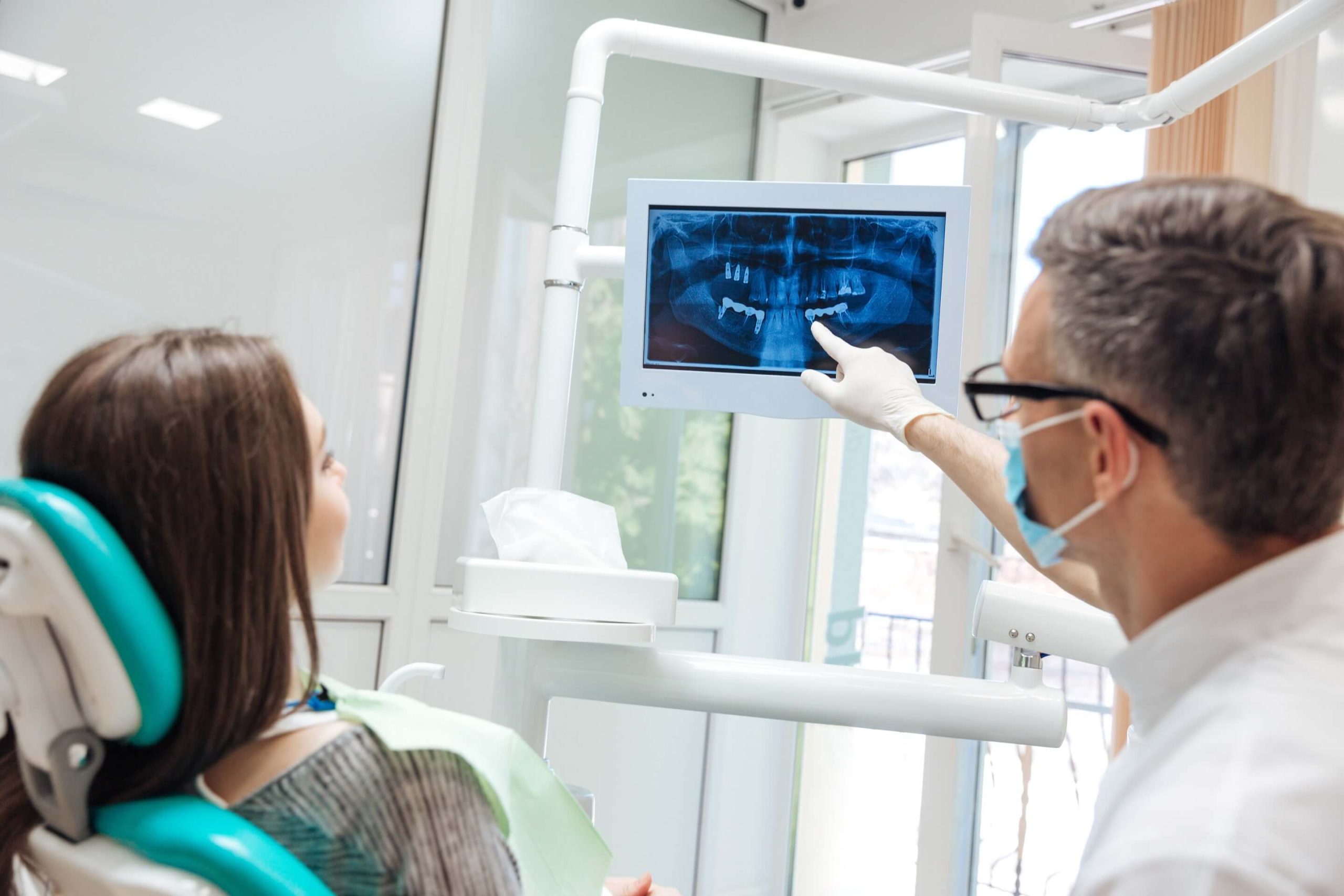
Panoramic X-rays provide a broad view of the teeth, upper and lower jaws, and surrounding structures in a single image. Depending on the patient’s needs, panoramic imaging may be useful for evaluating developing or impacted teeth, jaw structures, and other conditions that require a wider view.
Digital Dental Imaging
Digital dental X-rays use electronic sensors or digital imaging systems rather than traditional dental film. Digital images can be viewed and stored electronically, allowing your dental team to evaluate the images efficiently as part of your diagnosis and treatment planning.
How Can Dental X-Rays Support Your Dental Care
A dental examination allows your dentist to evaluate what can be seen clinically, while X-rays can provide additional information about structures beneath the surface. Used together, these diagnostic tools give your dentist a more complete understanding of your oral health.
Dental X-rays can be particularly helpful when evaluating:
- Areas of suspected tooth decay
- Dental pain or sensitivity
- Possible infections
- Changes in bone levels
- Developing or impacted teeth
- Tooth roots and surrounding bone
- Certain restorative or treatment-planning needs
For example, a cavity between two teeth may not be visible during a visual examination but can be identified on an appropriate dental X-ray. Similarly, an infection around a tooth root may require imaging to help confirm what is causing a patient’s symptoms.
Are Dental X-Rays Safe?
Dental X-rays use a relatively low amount of radiation, and modern dental imaging is designed to obtain the diagnostic information needed while minimizing unnecessary exposure. The American Dental Association recommends that dental radiographs be ordered based on individual clinical needs and that practices use appropriate techniques to limit radiation exposure.
At The Art of Dentistry, our team considers your individual dental and medical history, examination findings, and treatment needs when determining whether dental imaging is appropriate. If you have questions or concerns about dental X-rays, we are happy to explain why an image is being recommended and how it can contribute to your care.
Dental X-Rays For New Patients
Dental imaging may be recommended for new patients when it is clinically appropriate to establish a better understanding of their current oral health. However, the type and extent of imaging should be based on the individual patient rather than a fixed requirement.
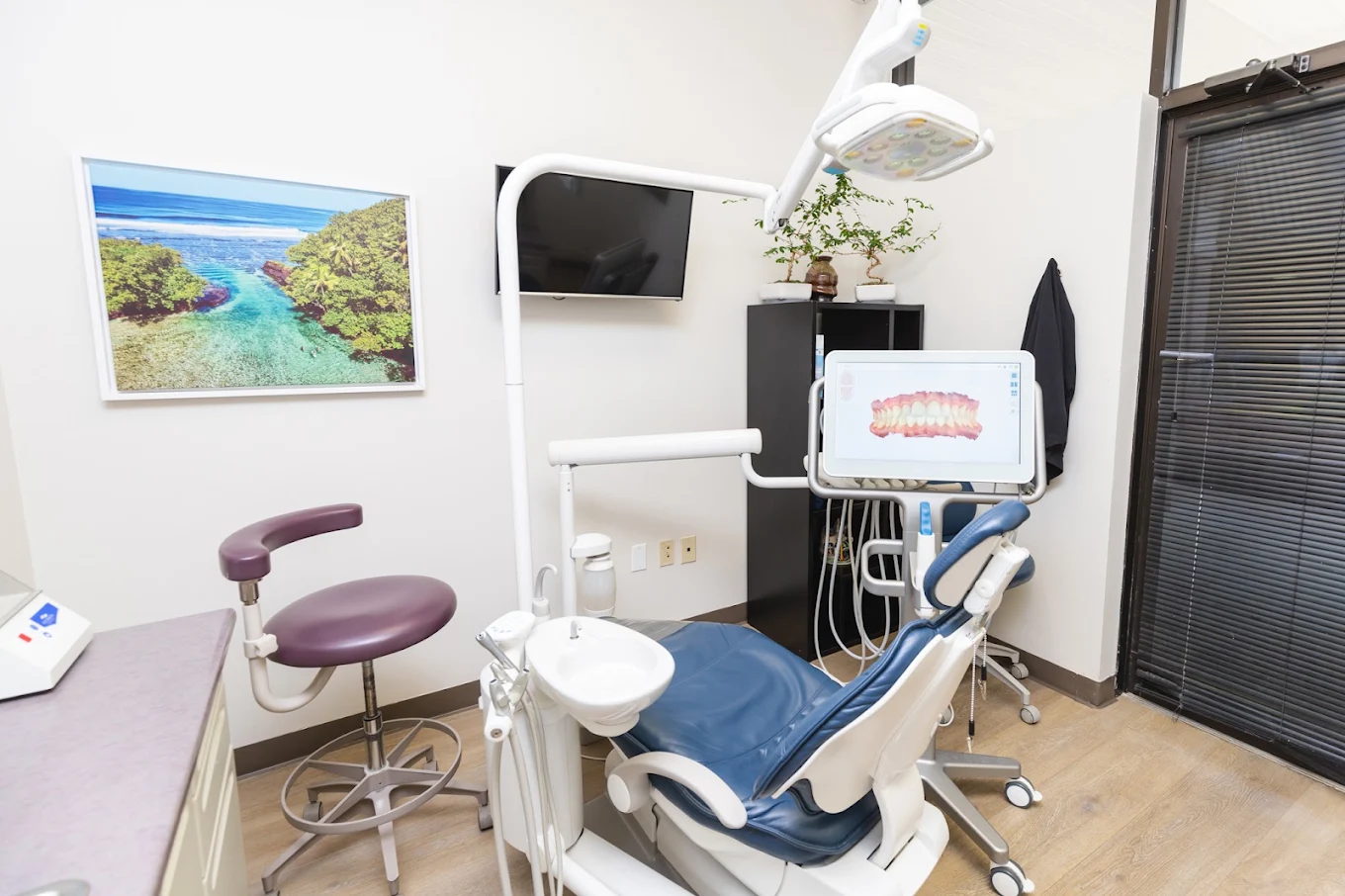
During your first visit, our team will review your dental history, perform an examination, and determine whether dental X-rays or other diagnostic images can provide information needed for your care.
The Art of Dentistry is proudly affiliated with Atlantic Dental Care, PLC


The Art of Dentistry is proudly affiliated with Atlantic Dental Care, PLC
Dental X-Rays & Preventive Dental Care
Dental X-rays are one part of a comprehensive approach to preventive dental care. Regular dental examinations and professional cleanings help your dental team monitor your oral health, while appropriate imaging can provide additional information about areas that cannot be fully evaluated during a visual examination.
Together, these tools can help identify potential problems earlier and allow your dentist to monitor changes in your teeth and supporting structures over time.
Dental X-rays are one part of a comprehensive approach to preventive dental care. Regular dental examinations and professional cleanings help your dental team monitor your oral health, while appropriate imaging can provide additional information about areas that cannot be fully evaluated during a visual examination.
Together, these tools can help identify potential problems earlier and allow your dentist to monitor changes in your teeth and supporting structures over time.
Dental X-Rays in Virginia Beach
If you are looking for dental X-rays in Virginia Beach, The Art of Dentistry provides personalized diagnostic and preventive dental care based on each patient’s individual needs. Our team combines comprehensive dental examinations with modern technology to help identify dental concerns and develop informed treatment recommendations.
Whether you are visiting for a routine dental examination or have a specific dental concern, we will explain any recommended imaging and how it contributes to your care.

Frequently Asked Questions
What are dental x-rays used for?
Dental X-rays provide images of teeth, roots, bone, and surrounding structures that may not be visible during a regular dental examination. They can help dentists identify conditions such as tooth decay, infections, bone changes, impacted teeth, and other dental concerns.
How often should I get dental X-rays?
The appropriate frequency varies from patient to patient. Your dentist will consider your oral health, age, dental history, risk factors, symptoms, examination findings, and previous images when determining whether new X-rays are needed. There is no one-size-fits-all schedule.
Can dental X-rays detect cavities?
Yes. Dental X-rays can help identify cavities, including decay in areas between teeth that may be difficult to see during a visual examination.
Can a dental X-ray show an infection?
Dental X-rays can provide information about changes around a tooth’s root and surrounding bone that may be associated with infection. Your dentist will consider the X-ray findings along with your symptoms and clinical examination when making a diagnosis.
Do I need dental X-rays if I have no pain?
Not necessarily, but the absence of pain does not mean that imaging is never useful. Some dental conditions can develop without noticeable symptoms. Your dentist will determine whether an X-ray is appropriate based on your individual examination and risk factors.
Do dental X-rays hurt?
Dental X-rays are generally quick and noninvasive. Depending on the type of image being taken, a small sensor or positioning device may be placed in or around the mouth.
Schedule Your Dental Exam in Virginia Beach
Schedule Your Dental Exam in Virginia Beach
Dental X-rays can provide valuable information when they are clinically appropriate and used as part of a comprehensive dental examination.
Contact The Art of Dentistry to schedule an appointment and learn more about your personalized dental care in Virginia Beach.
OUR REVIEWS
Discover the excellence of The Art of Dentistry’s cosmetic dentistry services, acclaimed with over 900 five-star reviews. Our clients enjoy personalized care and stunning results, making every visit a truly exceptional experience. Join us and transform your smile today!


